Dental implant risks and complications
Implants are a well-established treatment, but like any surgery they carry risks. Knowing them helps you ask the right questions and spot problems early.
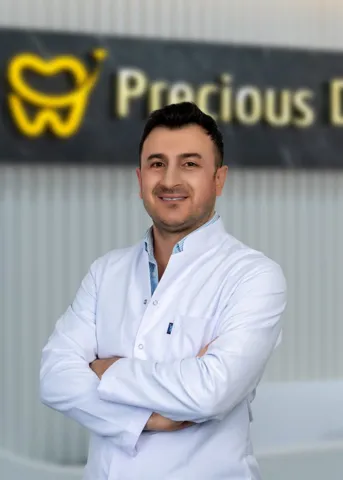 Medically reviewed by Dt. Hüseyin Yavuz Özbek, implant surgeon · Updated October 2026
Most implant treatment goes well, but possible problems include infection after surgery, peri-implantitis (gum infection around an implant that can lead to bone loss), an implant that fails to bond with the bone, and issues with the crown such as loosening or chipping. Careful planning, not smoking, daily cleaning and regular check-ups lower the risk.
Possible complications
| Problem | What it means | Lowering the risk |
|---|---|---|
| Infection after surgery | Pain, swelling or discharge in the days after placement | Follow aftercare advice; don't smoke |
| Peri-implantitis | Gum infection around the implant that can cause bone loss | Daily cleaning, hygiene visits |
| Implant doesn't integrate | The bone doesn't bond firmly with the implant | Good planning; control smoking and diabetes |
| Nerve or sinus problems | Rare; relates to implant position in the jaw | Careful planning with X-rays or a 3D scan |
| Crown or screw problems | A crown or screw loosens, or a crown chips | Regular check-ups; a night guard if you grind |
Peri-implantitis
The Oral Health Foundation explains that if plaque builds up around an implant it can cause peri-implantitis, which can lead to red, sore or swollen gums, bleeding around the implant, infection, and loosening or loss of the implant. It's the main reason implants are lost in the long term, and it's largely preventable with good cleaning and check-ups.
Warning signs
- bleeding or swelling around an implant
- pain that gets worse rather than better after the first few days
- a bad taste or persistent bad breath
- an implant, crown or bridge that feels loose
- a change in your bite
Treatment abroad: extra things to consider
The Oral Health Foundation lists reported problems after dental treatment abroad, including infection, failed implants and difficulty getting follow-up care. The NHS checklist warns against clinics that hard-sell, pressure you to decide quickly, or don't discuss complications and aftercare. Before treatment anywhere, make sure you know who to contact if something goes wrong, and get an implant passport.
Common questions
What is peri-implantitis?
An infection of the gum and bone around an implant, usually caused by plaque. The Oral Health Foundation says it can lead to red, sore or swollen gums, bleeding, infection, and loosening or loss of the implant.
Can an implant fail?
Yes. Sometimes an implant doesn't bond with the bone, or loses its hold later. Smoking, uncontrolled diabetes and poor cleaning raise the risk. A failed implant can often be removed and, after healing, replaced.
Is there a risk of nerve damage?
In the lower jaw, a nerve runs through the bone, so careful planning with X-rays or a 3D scan is used to keep implants a safe distance away. Ask your dentist how they plan around it.
What should I do if something feels wrong?
Contact the dentist who placed your implant. For severe pain, swelling or a high temperature, see a dentist straight away or call NHS 111.
Sources
- Oral Health Foundation — Understanding dental implants (peri-implantitis)
- Oral Health Foundation — Going abroad for dental treatment (reported problems)
- NHS — Treatment abroad checklist (warning signs)
Checked October 2026. Where we give our own view as a clinic, we say so.
Have a question about your own case?
Send us your question, your X-ray or a quote you've been given. A real person replies, in plain English. Free and no obligation.