Am I suitable for dental implants?
Most adults who have lost teeth can be considered for implants. A few things make treatment harder or need extra planning. Here's what a dentist looks at.
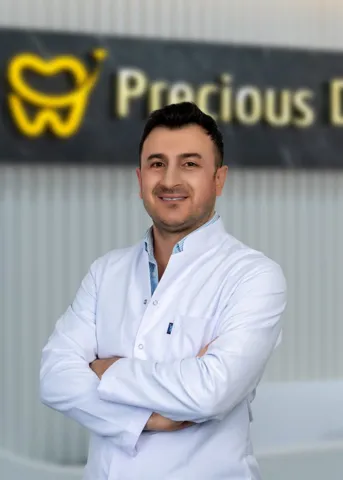 Medically reviewed by Dt. Hüseyin Yavuz Özbek, implant surgeon · Updated October 2026
Suitability depends mainly on having enough healthy jawbone, healthy gums and reasonable general health. Smoking, poorly controlled diabetes, some bone-strengthening medicines and radiotherapy to the head or neck can make implants riskier and need careful planning. Age alone is rarely the deciding factor. Your dentist will check with an examination and X-rays or a 3D scan.
What your dentist checks
The Oral Health Foundation says your implant dentist will examine your mouth, check the health and strength of your jawbone, and confirm whether implants are suitable. They'll also ask about your medical history, long-term conditions, medicines, past dental treatment, smoking and alcohol.
Things that usually go in your favour
- enough healthy bone where the implant will go
- healthy gums, or gum disease that's been treated
- good general health
- being able to clean carefully every day and keep check-ups
Things that need extra care
| Factor | Why it matters |
|---|---|
| Smoking | Slows healing and raises the risk of implant problems |
| Diabetes | If not well controlled, it can affect healing |
| Bone-strengthening medicines | Some, such as certain osteoporosis treatments, affect how the jaw heals; tell your dentist the exact name |
| Radiotherapy to the head or neck | Needs specialist planning |
| Untreated gum disease | Must be treated first |
| Grinding or clenching | Puts extra force on implants; a night guard may help |
None of these automatically rules implants out. They mean your dentist needs to know, plan carefully and explain the risks to you.
Not enough bone?
Bone shrinks after a tooth is lost, sometimes a lot over years. That doesn't always mean implants are impossible. Options include bone grafts, sinus lifts, or angled implants for a full arch. Read bone grafts and sinus lifts explained.
If implants aren't right for you
A bridge or a well-made denture may suit you better, and both are available on the NHS when clinically needed. Our sister guide Dentures or Implants? has a short quiz to help you compare.
Common questions
Am I too old for implants?
Age alone is rarely a reason not to have implants. General health, bone and your ability to keep the area clean matter more.
Can I have implants if I smoke?
Often, but smoking slows healing and increases the risk of problems. Your dentist will usually advise cutting down or stopping.
Can I have implants if I have gum disease?
Gum disease needs to be treated and under control first, because the same bacteria can affect implants.
What if I've been told I don't have enough bone?
There are often options, such as bone grafts, sinus lifts or angled implants. Read our guide to bone grafts and sinus lifts.
Sources
- Oral Health Foundation — Understanding dental implants (consultation, bone check)
- Oral Health Foundation — Going abroad for dental treatment (medical history questions)
Checked October 2026. Where we give our own view as a clinic, we say so.
Have a question about your own case?
Send us your question, your X-ray or a quote you've been given. A real person replies, in plain English. Free and no obligation.